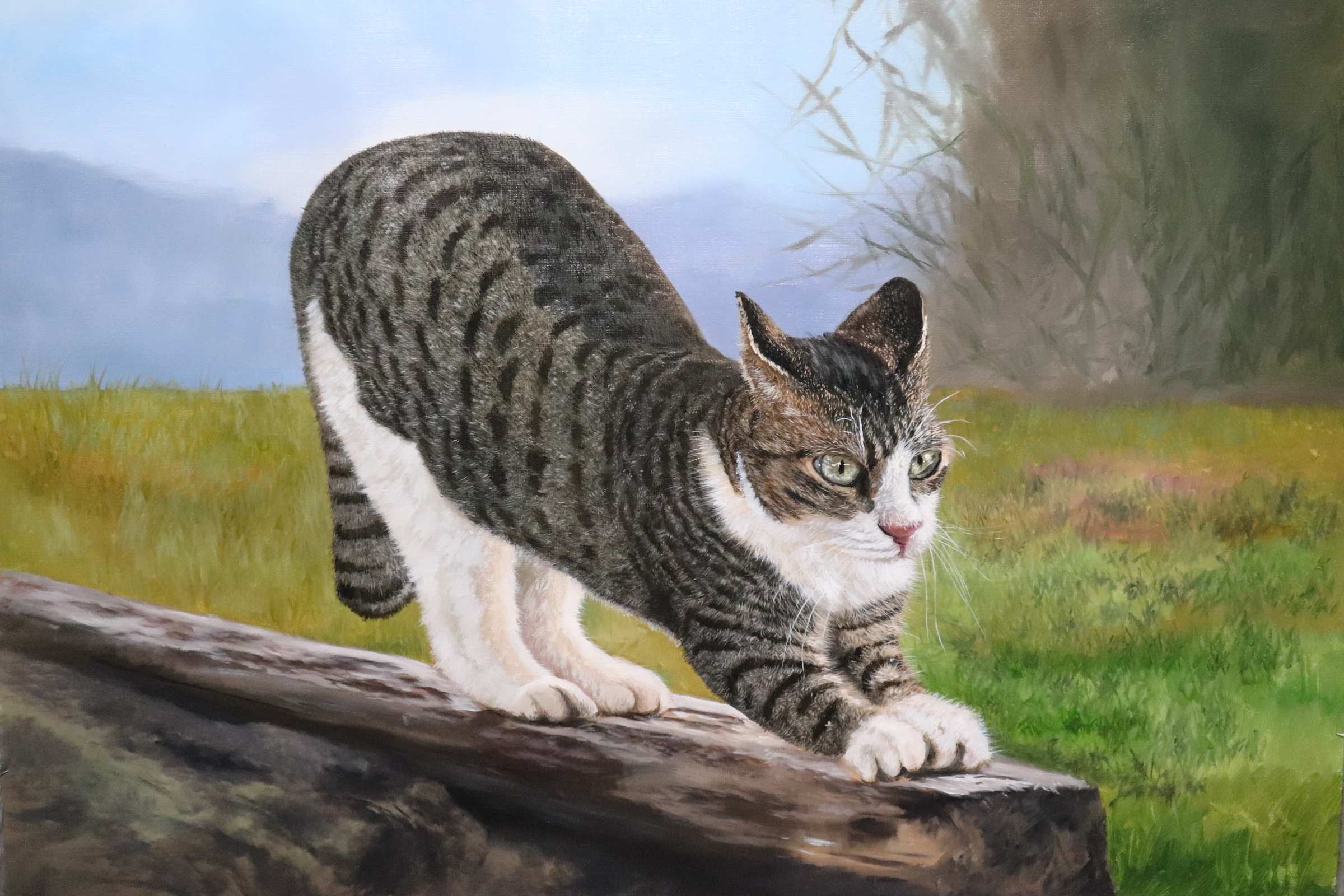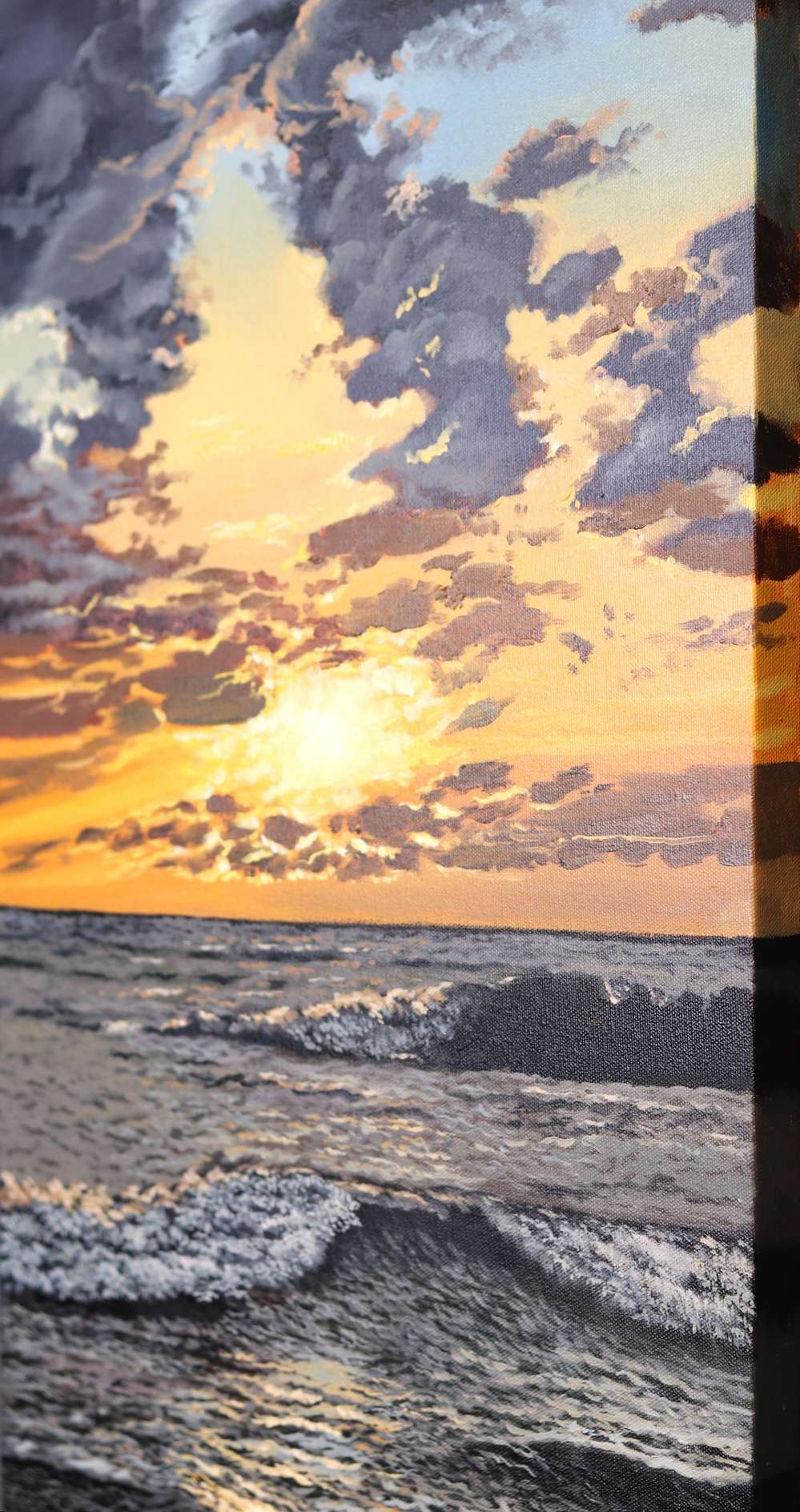
"An original artwork is a living cultural treasure. Proper conservation ensures its chromatic brilliance survives for centuries."
Acrylic paintings are remarkably resilient due to their flexible polymer structure, but ambient indoor factors like dust accumulation, direct sunlight ultraviolet radiation, and kitchen grease can degrade paint films over decades without simple preventive care.
1. Safe Dusting: What to Use & What to Avoid
Never use damp cloths, household chemical sprays, or wet wipes on an unvarnished canvas. To remove dust, gently brush the surface with an ultra-soft natural goat-hair or sable brush, dusting from top to bottom. A micro-suction vacuum held 2 inches away from the brush tip captures dislodged particles safely.
2. Sunlight, Temperature & Humidity Control
Avoid hanging original artworks in direct sunlight or immediately above heating/air conditioning vents. Ideal conservation conditions are 20°C to 24°C with a relative humidity of 45% to 55%.
3. The Role of UV Archival Varnish
All paintings produced in our studio are sealed with removable archival mineral spirit acrylic varnish (MSA) with ultraviolet light stabilizers. This sacrificial protective barrier prevents atmospheric pollutants from ever touching the paint film directly.
4. Proper Framing with Matboards & Spacers
When framing canvases behind anti-reflective museum glass, always ensure there is a spacer or 8-ply acid-free cotton matboard separating the glass from the canvas surface to prevent condensation adhesion.