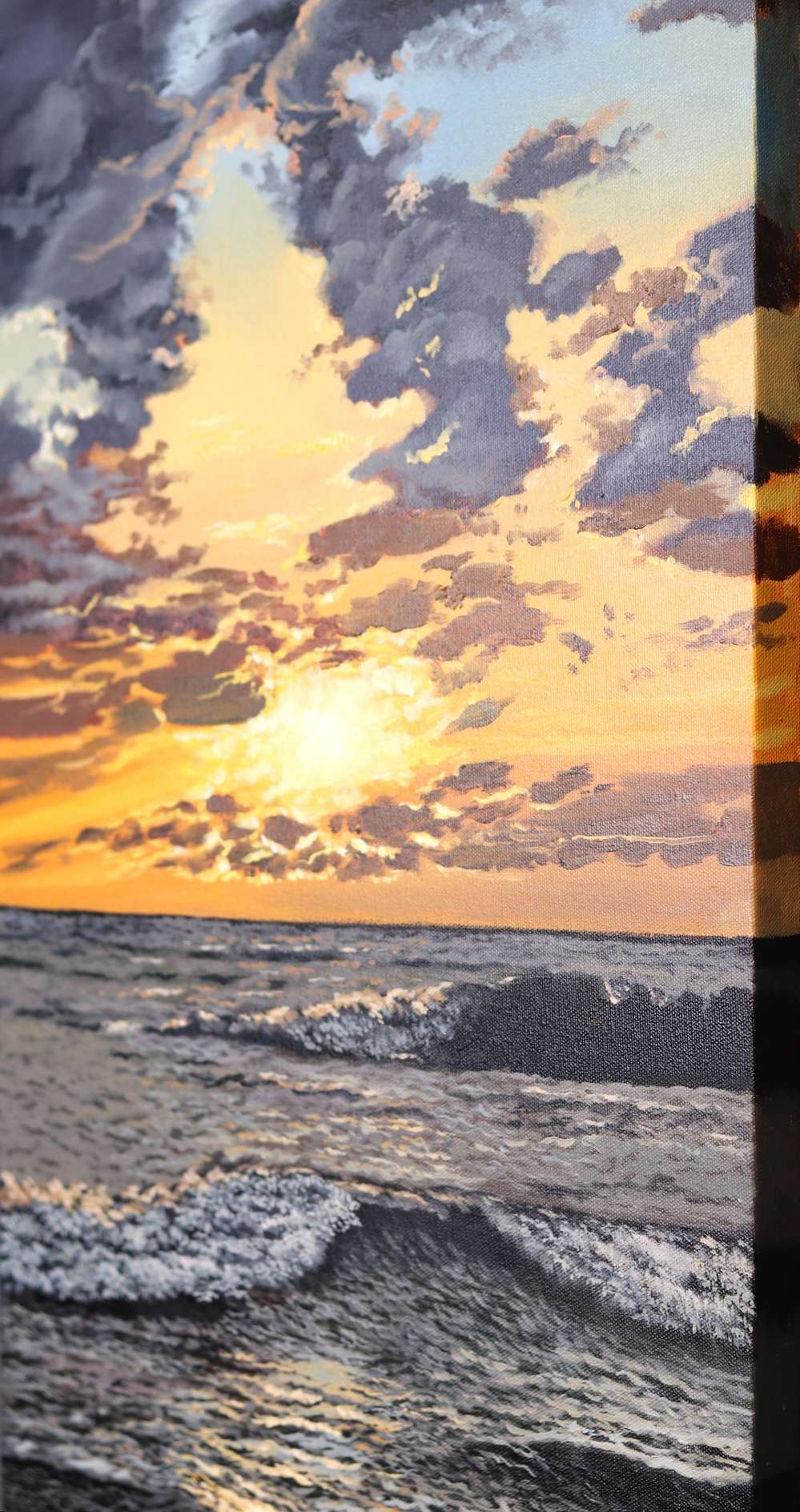
"Your brush is the direct physical extension of your mind and hand onto the canvas."
Navigating art supply aisles can be dizzying with hundreds of brush numbers and shapes. Understanding how bristle spring, shape geometry, and ferrule crimping impact paint delivery will help you select the exact right tools for your style.
1. Synthetic vs Natural Hair Filaments
For modern acrylics, synthetic multi-diameter taklon or nylon filaments are ideal. Acrylic paints are caustic on delicate natural hairs; high-grade synthetic bristles hold their sharp chisel edges even after dozens of intense painting sessions. Natural sable and squirrel hair are reserved for fluid watercolors.
2. Brush Shapes & Their Artistic Roles
- Flat (Bright / Shader): Square chisel edge designed for broad geometric washes, crisp architectural borders, and background color blocking.
- Filbert: Oval dome shape combining the blending softness of a round brush with the coverage of a flat brush — essential for portraiture and floral petals.
- Round & Rigger: Tapered fine point for calligraphy lines, botanical stems, and intricate gold ornamentation.
- Fan Brush: Feathered bristle spread for cloud diffusion, foliage clusters, and sea spray textures.
3. The Minimalist 4-Brush Starter Set
If you could only own four brushes: a 1-inch flat wash brush, a size 8 filbert, a size 4 round, and a size 0 rigger linework brush will cover 95% of all figurative and landscape compositions.
4. Cleaning & Preserving the Ferrule
Never let paint creep upwards into the metal ferrule where the bristles are glued. If acrylic dries inside the ferrule, it permanently splays the bristles. Rinse thoroughly and store brush tips facing upwards in a ventilated ceramic jar.