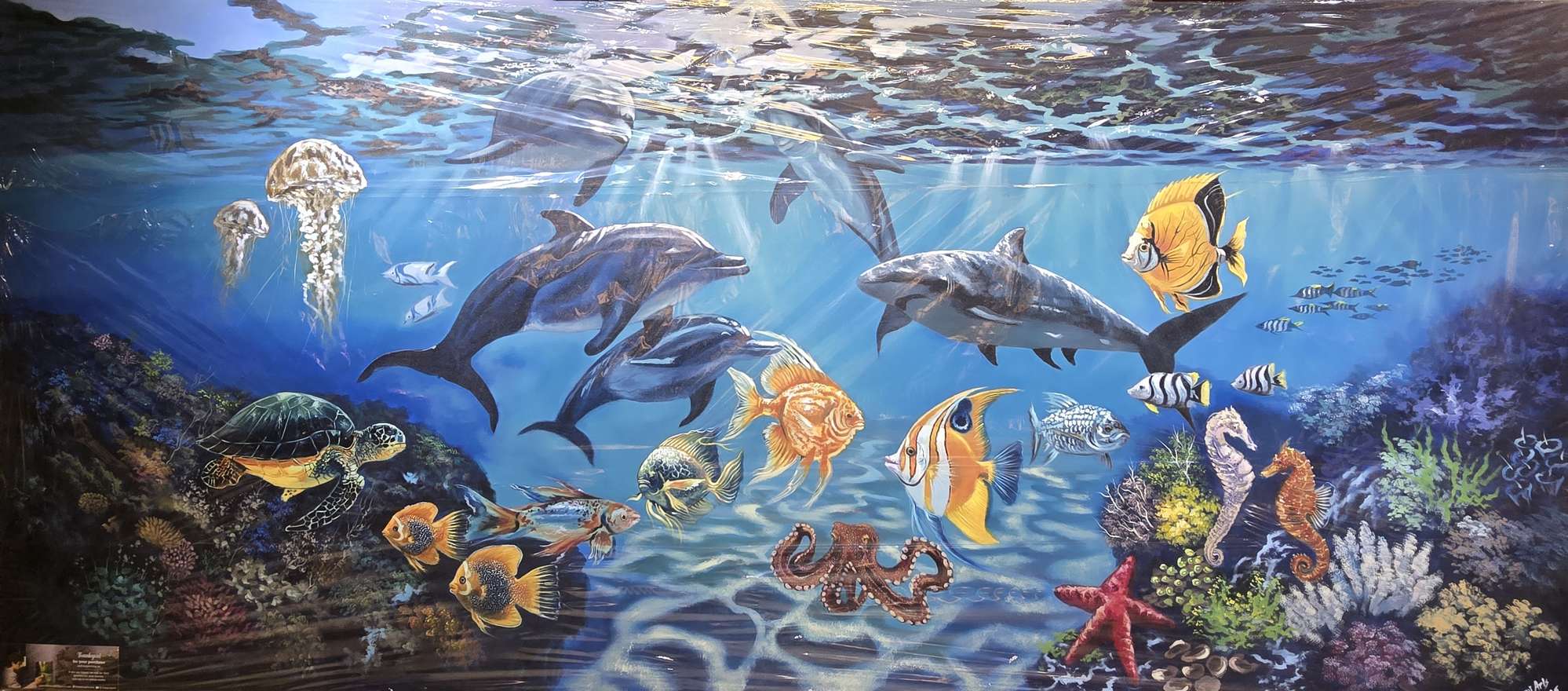
"Acrylic offers bold, sculptural permanence; watercolor offers delicate, luminous spontaneity."
One of the most frequent questions from aspiring painters walking into our studio is: "Should I begin with acrylics or watercolors?" Both mediums are water-based and non-toxic, yet they behave in fundamentally opposite ways on paper and canvas.
1. Drying Physics & Working Time
Acrylic paints dry through polymer chemical cross-linking in 10 to 20 minutes. Once cured, they form an insoluble, permanent plastic film that cannot be reactivated with water. Watercolor, on the other hand, stays water-soluble indefinitely on the palette and paper, allowing you to reactivate and soften dry edges days later.
2. Forgiveness & Error Correction
If you make a mistake in acrylic, you simply wait 10 minutes for it to dry and paint right over it with an opaque color — zero trace remains. In watercolor, errors are difficult to cover because layers remain transparent. For students with anxiety about making mistakes, acrylic provides superior confidence.
3. Surfaces, Canvases & Materials Cost
Acrylic can be painted on stretched canvas, wood panels, terracotta, glass, and heavy cardboard. Watercolor strictly requires high-grade 300 GSM cotton rag paper. However, a single half-pan watercolor palette can last for several years of weekly paintings, making it remarkably economical over time.
4. Our Curators' Final Recommendation
If you love bold vibrant colors, 3D texture, and zero fear of mistakes, start with an Acrylic Kit. If you love gentle meditative washes, organic botanical blooms, and easy portable desktop setups, choose a Watercolor Kit.